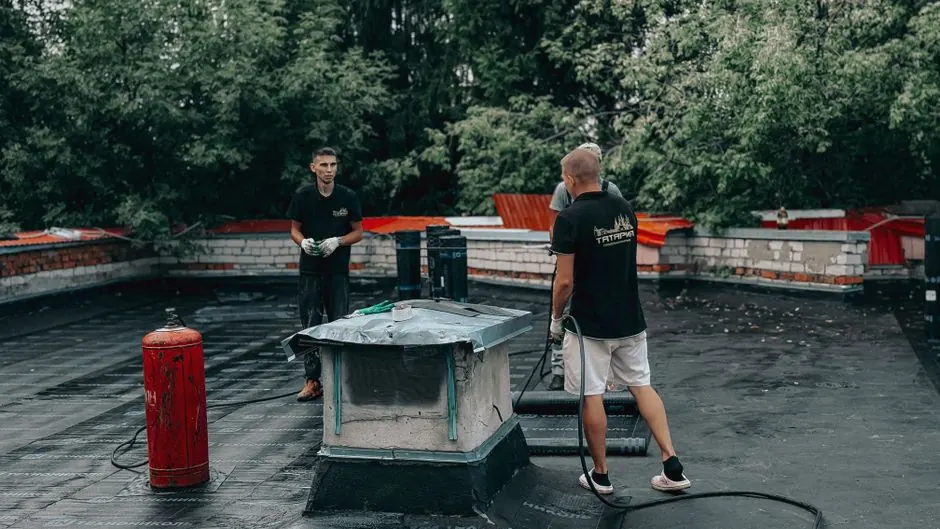
Free Roof Inspection
We walk the roof, core-test the deck, and scan for wet insulation with a moisture meter and infrared camera. You get photos and a written report within 24 hours. No charge, no obligation.
Every flat roof project starts with a free inspection and a written scope. Here is what is covered on a standard installation or replacement. Anything outside this list, like structural deck repair or added rooftop equipment, gets priced separately and approved by you before we start.
We walk the roof, core-test the deck, and scan for wet insulation with a moisture meter and infrared camera. You get photos and a written report within 24 hours. No charge, no obligation.
We remove the old membrane, flashing, and wet insulation, then haul everything off-site. Dumpsters are placed so they do not block your driveway or loading dock. A 2,000-square-foot tear-off takes one to two days.
We install TPO, EPDM, or modified bitumen over new insulation and cover board. Seams are heat-welded or adhered to manufacturer spec. Membrane thickness ranges from 45-mil to 80-mil depending on traffic and warranty needs.
Every penetration, curb, edge, and scupper gets new flashing and sealant. We set tapered insulation to move water toward drains. This is the step that prevents ponding water on flat roofs and the leaks that follow.
We flood-test the drains, walk the roof with you, and hand over the manufacturer material warranty plus our written workmanship warranty. You get a maintenance checklist and our direct line for any future issues.
Flat Roofing in Texas means installing a low-slope membrane system that sheds water across a nearly level deck instead of down a pitched plane. That usually means a TPO membrane, an EPDM membrane, or a modified bitumen cap sheet over a clean substrate, with tapered insulation to move water toward drains and scuppers. We mechanically fasten or fully adhere the membrane, heat-weld the seams, and detail every penetration, curb, and edge with flashing and sealant so nothing weeps during a two-inch rain event.
Most Texas flat roofs fail for three reasons: ponding water on flat roofs, UV breakdown from relentless sun, and flashing failure at parapet walls. A moisture meter and infrared camera tell us how far the wet insulation spreads before we quote anything. If you are searching for flat roofing installation in Texas near me because a ceiling stain showed up after last spring's storms, we can usually get an inspector on your roof within 24 to 48 hours.
Every job follows the same five steps, whether it is a 400-square-foot garage in Belton or a 40,000-square-foot warehouse in Odessa. You always know what happens next.
Schedule
Call or book online — a real human picks up and confirms a 2-hour arrival window.
Diagnose
Licensed tech inspects on-site, then walks you through the cause and your options.
Fix
The job is completed to code and done right the first time — no shortcuts, no surprises.
Guarantee
Every job backed by a written workmanship warranty — and we stand behind it.
 Tools & Equipment
Infrared Camera
Detects wet insulation under the membrane by reading temperature differences. It lets us map the full extent of water damage before we quote, so you are not paying to replace dry material.
Moisture Meter
Confirms what the infrared camera finds. We take readings at grid points across the deck and core-test any suspect areas. This is how we decide between a repair and a full replacement.
Roofing Nail Gun and Hammer
Used for fastening cover board, insulation, and edge metal. We set fasteners to manufacturer spec so they do not back out or crush the substrate over time.
Heat Welder
Bonds TPO seams into a single continuous membrane. A properly heat-welded seam is stronger than the membrane itself. We probe-test every seam before the job is signed off.
Safety Harness and Roofing Ladder
Keeps crews safe on steep access points and roof edges. Every job is OSHA-compliant, and we set up fall protection before anyone steps on the deck.
Tarp
Covers the roof overnight during tear-off and after storm damage. We tarp every evening so a surprise Texas thunderstorm never gets inside your building.
TPO Heat-Welded Membrane System
We roll out 60-mil or 80-mil TPO, heat-weld the seams, and detail every penetration and edge. TPO reflects heat, resists UV, and handles Texas temperature swings. It is our most common spec for commercial and residential flat roofs.
EPDM Fully Adhered System
EPDM membrane is glued to the substrate with contact adhesive, creating a seamless rubber surface. It performs well on residential flat roofs and low-traffic decks. We use Firestone and Carlisle SynTec EPDM for the longest warranty terms.
Modified Bitumen Cap Sheet
A torch-applied or self-adhered asphalt cap sheet over a base layer. It works well on small porches, additions, and low-slope sections where TPO is overkill. We use GAF and CertainTeed products with granulated surfaces for UV protection.
Tapered Insulation for Drainage
We set polyiso insulation in graduated thicknesses to build slope toward drains and scuppers. This is the permanent fix for ponding water on flat roofs. Without it, no membrane will last its full warranty period.
HAAG-Certified Storm Documentation
Our inspectors are HAAG-certified to assess hail and wind damage. We photograph every impact, core-test the deck, and write a report that meets Texas Department of Insurance standards. That documentation is what gets claims approved.
01
What we do: We inspect the deck, replace any wet insulation, and install a new EPDM or TPO membrane with fresh flashing at the wall tie-in. Most residential flat roof replacements finish in two to three days.
→ A dry garage, a written warranty, and a maintenance schedule that keeps the roof serviceable for 20-plus years.
02
What we do: We phase the tear-off so the building stays dry, install tapered insulation and a 60-mil TPO membrane, and coordinate around tenant schedules. Commercial replacements typically run one to three weeks depending on size.
→ A code-compliant roof with a 20-year material warranty and no disruption to daily operations.
03
What we do: We trace the leak with a moisture meter and infrared camera, repair the flashing and drainage, and add slope where needed. Same-day emergency tarp service is available if the leak is active.
→ The leak stops, the ceiling dries out, and the fix costs a fraction of a full replacement.
04
What we do: Our HAAG-certified inspector documents every impact, core-tests the deck, and writes a report the adjuster can use. We handle the repair or replacement once the claim is approved.
→ A fully documented claim, a properly repaired roof, and no out-of-pocket surprises beyond the deductible.
Texas flat roofs face conditions that crews in cooler states never deal with. Summer surface temps on a dark membrane hit 160 to 180 degrees. Spring hail in North Texas and the Panhandle dents metal and bruises TPO. Gulf humidity in Beaumont, Port Arthur, and Angleton keeps decks wet and accelerates algae growth. We spec every job for its region: reflective white TPO in West Texas, fully adhered EPDM near the coast, and reinforced flashing details in hail alley. Building codes vary too. Some Texas jurisdictions follow the 2021 IBC, others still enforce older editions, and wind-borne debris requirements change by county. We pull permits and schedule inspections so you are not chasing paperwork. If you need flat roofing in Texas cost numbers for a specific city, our inspector will give you a written range after the free roof scan, usually within 24 hours.
Del Valle
New industrial and warehouse construction along the SH-71 corridor means a lot of large low-slope decks that need TPO systems and proper drainage design.
Bellaire
Older homes with flat roof additions and garages are common here. Many have original modified bitumen that is past its service life and ready for EPDM replacement.
Beaumont
Gulf humidity and heavy rain make flashing failure and ponding water the two most common calls we get in this area.
Odessa
Permian Basin heat and wind load demand reflective membranes and mechanically fastened systems rated for high wind zones.
Belton
Hail season in Central Texas hits hard here. We see a lot of bruised TPO and cracked modified bitumen after spring storms.
Summer surface temperatures of 160 to 180 degrees on dark membranes
Accelerates UV breakdown and shortens membrane life. We spec reflective white TPO or UV-resistant coatings to bring surface temps down 30 to 50 degrees.
Spring hail in North Texas and the Panhandle
Bruises TPO, cracks modified bitumen, and dents metal flashing. We document every impact with HAAG-certified reports so insurance claims cover the full repair.
Gulf humidity and salt air along the coast
Promotes algae growth and corrodes fasteners. We use corrosion-resistant fasteners and algae-resistant membranes in Beaumont, Port Arthur, and Angleton.
Expansive clay soils across much of the state
Causes deck movement that opens seams and flashing joints over time. We use reinforced termination details and flexible sealants that move with the structure.
Most flat roof calls come down to water finding a way in. Here are the problems we see most often and how we fix them before they cost you a ceiling.
Problem
Standing water breaks down seams, grows algae, and adds structural load. Left alone, it turns a $2,000 repair into a full deck replacement within a few years.
Our Fix
We core-test the deck, add tapered insulation to build proper slope, and reset drains and scuppers so water exits within 48 hours of a storm. Most ponding fixes are handled during a scheduled replacement, not as an emergency.
Problem
Water weeps behind the wall and shows up as a ceiling stain far from the actual leak. By the time you see it, the insulation is already wet and the damage is spreading.
Our Fix
We remove the old flashing, install new termination bars and counterflashing, and reseal every penetration with compatible sealant. We hose-test the area before we leave so you know it is fixed.
Problem
Small punctures let in water that soaks insulation and rusts deck fasteners. If the claim is not documented properly, your insurance payout may not cover the full repair.
Our Fix
Our HAAG-certified inspectors photograph every impact, core-test the deck, and write a report your adjuster can use. We tarp the roof the same day and schedule permanent repairs within 48 hours.
Problem
Texas sun bakes a membrane until it chalks, cracks, and loses flexibility. A roof that should last 20 years starts failing at 10 or 12.
Our Fix
We spec reflective white TPO or a UV-resistant coating system on sun-exposed decks. A recoating every 10 to 12 years adds another decade of life for a fraction of replacement cost.
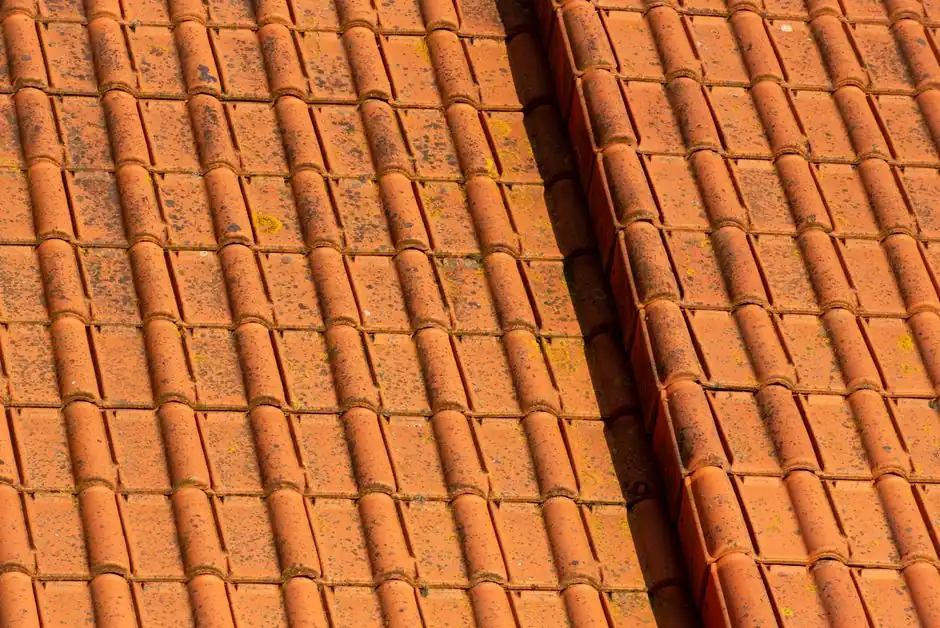
A flat roof gives you usable deck space, easier maintenance access, and a membrane that handles standing water better than shingles ever will. Here is what that means in practice.
Walkable, Serviceable Deck
You can walk a flat roof without damaging it, which makes HVAC service, solar mounting, and annual inspections simple. We install walk pads around rooftop units so techs stop punching holes in the membrane. That single detail prevents most of the Texas flat roofing for leaks calls we run.
Heat-Reflective Membranes
White TPO reflects sunlight and drops surface temps by 30 to 50 degrees compared with black asphalt. On a 100-degree July afternoon in Odessa, that difference shows up on your cooling bill. We spec reflective membranes on most Texas flat roofing cost estimates because the energy savings pay back the upgrade.
Fewer Wind-Lift Failures
A properly adhered membrane resists uplift better than individual shingles that peel off one at a time. We use GAF and Carlisle SynTec systems rated for 55 to 75 mph wind zones, then add edge metal and termination bars so the perimeter stays locked down through a spring squall line.
Longer Service Life
A 60-mil TPO membrane typically lasts 20 to 25 years in Texas when seams are heat-welded and drains stay clear. That beats the 12 to 15 years many shingle roofs see under the same sun load. We hand you a maintenance schedule so you actually get those years.
Typical 2026 pricing for flat roofing in Texas runs $6 to $12 per square foot for residential replacement and $8 to $16 per square foot for commercial TPO systems. Repairs are far cheaper, usually $450 to $2,500. The biggest cost drivers are roof size, membrane type, insulation thickness, and how much wet material has to come out. We give you a written, line-item quote after the free inspection, and we do not add cost without your approval.
Typical Investment Range
$450 - $18,000+ depending on repair vs. full replacement and roof size
A flat roof replacement costs more upfront than patching, but it ends the cycle of repeat repairs. Most of our customers break even within three to five years compared with annual leak fixes, and they get a dry building and a transferable warranty.
What changes the price
Roof Size and Access
Larger roofs cost more in total but less per square foot. Steep access, tight lots, and rooftop equipment add labor. A 1,500-square-foot residential roof runs $9,000 to $18,000 installed.
Membrane Type
TPO is the most common and cost-effective option. EPDM runs slightly higher. Modified bitumen is cheaper on small residential jobs. Membrane thickness, from 45-mil to 80-mil, also moves the price.
Insulation and Slope
Adding tapered insulation to fix ponding water adds $1.50 to $3.50 per square foot. It is the single best investment you can make because it extends membrane life by 10 or more years.
Wet Insulation Removal
If the deck is wet, we have to remove and replace the saturated insulation. That can add $2 to $4 per square foot. A moisture meter and infrared scan tell us the scope before we quote.
Flashing and Penetrations
Every HVAC curb, vent, skylight, and parapet wall needs flashing. Buildings with many penetrations cost more to detail. We price each one in the written scope so nothing is hidden.
Warranty Term
Longer manufacturer warranties require specific membrane thicknesses and installation methods. A 20-year NDL warranty costs more than a standard 10-year material warranty, but it protects you longer.
Google ★★★★★4.9
They replaced our flat roof in Odessa and fixed the ponding water that two other companies missed. The crew was on time, tarped every night, and the final price matched the quote. Highly recommend for any commercial flat roof in Texas.
Yelp ★★★★★4.8
Fast, honest, and they actually explained what they were doing. Our garage roof in Cedar Park was leaking into the wall, and they fixed the flashing and membrane for under $4,000. No upselling, just the work that needed doing.
BBB A+
We use Local Roofing Texas for all our commercial properties in Beaumont. They understand Gulf humidity and drainage better than anyone we have worked with. Written quotes, no surprise invoices, and they show up when they say they will.
Google ★★★★★5.0
Emergency tarp and leak repair after a storm in Belton. They answered the phone at 10 p.m., had a crew out the next morning, and documented everything for our insurance claim. The permanent repair was done within a week.
We install and repair flat roofing across Texas, from the Gulf Coast to the Permian Basin. Every city gets the same free inspection, written scope, and workmanship warranty. If you need a flat roofing contractor Texas property owners trust for TPO, EPDM, or modified bitumen, we have a crew within a day's drive of your building.
New warehouse and industrial construction along the SH-71 corridor keeps our crews busy with large TPO installations and drainage design in Del Valle.
Student housing and commercial buildings near Texas A&M need durable flat roof systems that handle Central Texas heat and spring hail. We install TPO and EPDM across College Station.
Gulf humidity and heavy rain make flashing and drainage the top priorities on Beaumont flat roofs. We spec corrosion-resistant fasteners and algae-resistant membranes here.
Refinery and industrial properties in Port Arthur need flat roofs that stand up to salt air and chemical exposure. We use reinforced membranes and heavy-duty flashing details.
Residential flat roofs over garages and additions are common in Cedar Park. We replace aging modified bitumen with EPDM or TPO and fix the flashing that caused the leak.
Mid-Cities commercial buildings in Euless often have low-slope roofs past their service life. We tear off, add tapered insulation, and install new TPO membranes with 20-year warranties.
Pine-heavy lots in Huntsville drop debris that clogs drains and causes ponding water. We clear drainage, repair flashing, and install new flat roof systems that shed water properly.
Growing commercial development along I-69 makes Rosenberg a busy market for flat roof installation. We handle new construction and replacement for retail and warehouse buildings.
Johnson County hail storms bruise TPO and crack modified bitumen on Cleburne roofs. Our HAAG-certified inspectors document damage for insurance claims and handle the repairs.
San Antonio-area homes in Converse with flat roof sections get EPDM and TPO replacements that handle Texas sun and clay soil movement. We reinforce flashing at wall tie-ins.
Central Texas hail season hits Belton hard. We inspect, document, and repair hail damage on flat roofs, then install reinforced membrane systems that resist future impacts.
Brazoria County humidity and rain make Angleton flat roofs prone to algae and flashing failure. We install algae-resistant membranes and reseal every penetration.
Older Bellaire homes often have flat roof additions with original modified bitumen. We replace them with EPDM or TPO and bring the drainage up to current code.
Hardin County storm seasons bring wind and hail to Lumberton. We install wind-rated flat roof systems and offer 24/7 emergency tarp service after severe weather.
Elgin's mix of residential and commercial buildings gets the full range of flat roofing services, from small garage repairs to full TPO replacements with tapered insulation.
Real answers to the questions we hear most often from local homeowners and property managers.
New construction and full roof installs across Texas. We handle decking, underlayment, and membrane or shingle systems so the roof is code-correct from day one. Flat roof sections get the same TPO or EPDM detailing we use on stand-alone flat roofing jobs.
View Roof InstallationFull tear-off and replacement when repairs no longer make sense. We strip to the deck, replace rotted sheathing, and install a new membrane or shingle system with a written workmanship warranty. Most residential replacements finish in one to three days.
View Roof ReplacementTargeted fixes for flashing failure, punctures, seam separation, and missing shingles. We locate the source with a moisture meter and infrared camera, then repair and test before we leave. Most repairs run $450 to $2,500 depending on access and materials.
View Roof RepairFast leak diagnosis and repair for flat and pitched roofs. We trace the water path, not just the ceiling stain, because leaks travel along decking. Same-day and emergency service is available across most Texas metros, including nights and weekends.
View Roof Leak RepairFull roof inspections with photos, moisture readings, and a written report. We check membrane condition, flashing, drains, and deck integrity. Inspections are free with a repair or replacement quote, and HAAG-certified reports support insurance claims.
View Roof Inspection24/7 emergency response for storm damage, active leaks, and structural concerns. We tarp the roof, stop the water, and document everything for your insurance claim. Crews are on call across Texas, including holidays and overnight.
View Emergency Roofing ServicesCall (888) 842-0089 any hour for emergency tarping or to book a free inspection. Our office answers phones 24/7, and most non-emergency inspections are scheduled within 48 hours. You can also email info@localroofingtexas.com with photos of your roof and we will reply with a preliminary assessment.
Phone
(888) 842-0089Address
Texas
Hours
Mon–Fri: 7AM – 7PM
Sat: 8AM – 4PM
Sun: Emergency Only
24/7 Emergency Available